
TL;DR: Hatha yoga is a slow-paced, foundational style that combines three practices: posture (asana), breath (pranayama), and relaxation or meditation (dhyana). The evidence positions it not as a miracle but as a reliable, low-risk habit. A Cochrane review found that yoga produced small-to-moderate improvements in chronic low back pain versus not exercising, at three to six months, and systematic reviews show it lowers perceived stress, though the effect on objective measures like cortisol is mixed. For someone who manages their own life like a CEO, that is exactly where the value lies: not inflated promises, but a maintenance routine you can sustain a few times a week that repairs the body and the attention. Below is a scorecard that labels each benefit by the strength of the evidence, and a weekly plan that fits the WHO movement recommendation.
What hatha yoga is, and why it is the foundational style
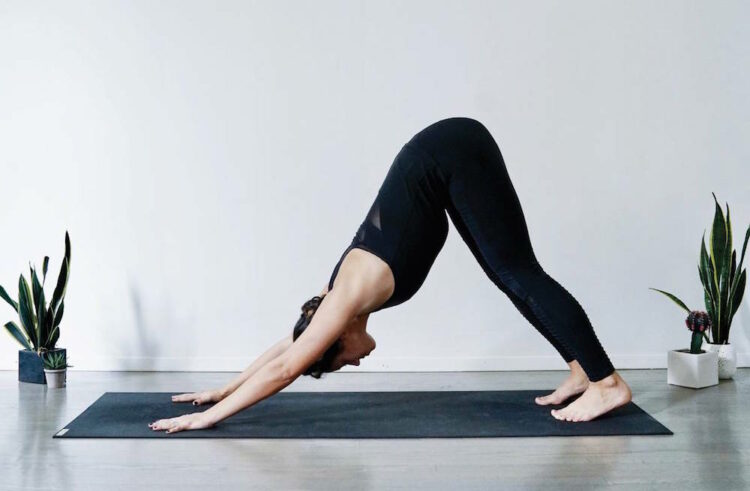
In Sanskrit, “hatha” means force or effort. In practice, hatha yoga is a foundational form in which postures are taken slowly, held for a few breaths or a few minutes, and aligned with the breath. Unlike flowing styles such as vinyasa, the pace is low, which makes it accessible for beginners and for anyone who cannot handle intense exercise.
As exercise psychologist Neha Gothe of the University of Illinois has emphasized, hatha yoga brings together three core practices: postures (asana), breathing techniques (pranayama), and relaxation with meditation (dhyana). This trio makes it not merely a stretching routine but a holistic practice that works the body and the mind together. That is why it is called foundational: many modern yoga styles are built on these three components.
What the evidence actually says
The biggest trap in health topics is presenting something that works as a cure-all. The real evidence for hatha yoga is solid but measured, and that is precisely why it is trustworthy.
Low back pain and function. The most rigorous assessment of yoga is the Cochrane review by Wieland and colleagues (21 trials, 2,223 participants). The finding: versus not exercising, yoga produced small-to-moderate improvements in back-related function at three to six months (low-to-moderate certainty evidence). Compared with other back-focused exercise, there was little or no difference. So yoga is not “magic,” but it is a well-documented path where regular, low-intensity movement helps.
Stress. Systematic reviews consistently show that yoga lowers perceived, subjective stress. But note the caveat: the effect on objective biological measures like cortisol is mixed; some randomized trials found that hatha yoga reduced momentary stress while leaving salivary cortisol unchanged. The honest conclusion is this: feeling less tense is real and valuable, but claiming that “yoga definitely lowers cortisol” goes beyond the evidence.
General movement. The World Health Organization recommends 150 to 300 minutes of moderate physical activity per week for adults. Hatha yoga can be a sustainable part of that budget, and is a good option with a low injury risk, especially for those who cannot handle high-intensity exercise like running or lifting. The Cochrane review found no serious adverse events.
Hatha Yoga Benefit-versus-Evidence Scorecard
The table below is a CEOtudent editorial scorecard: a decision aid that classifies common hatha yoga claims by the strength of the best available evidence, not a dataset of new measurements. The point is to clarify what to trust and what to treat with caution.
| Claimed benefit | Evidence strength (editorial) | What it rests on |
|---|---|---|
| Improves function in chronic low back pain | Moderate (small-to-moderate effect) | Cochrane review (Wieland et al.) |
| Reduces perceived stress | Moderate-to-strong | Systematic reviews of yoga and stress |
| Increases flexibility and core endurance | Moderate | Exercise physiology and clinical studies |
| Objectively lowers cortisol | Weak-to-mixed | Cortisol-measuring RCTs (inconsistent results) |
| Improves sleep quality | Weak-to-moderate | Limited studies; promising but not conclusive |
| Treats depression or anxiety on its own | Weak | Mixed; may support, does not replace treatment |
The scorecard’s lesson is clear: hatha yoga is a reliable helper on rows like function, flexibility, and perceived stress, but marketing it as a medical treatment or a cortisol-cutter strains the evidence. The most honest positioning is to see it as a good habit, not a strong drug.
A weekly plan for someone who runs their own life
A CEO builds systems that deliver results by relying on sustainability, not willpower. The strength of hatha yoga is exactly its sustainability: low barrier, low risk, cumulative benefit. The plan below is a simple framework that fits the WHO weekly movement recommendation.
- Frequency: 3 sessions a week, 20 to 30 minutes. This is both realistic for beginners and a meaningful contribution to the weekly movement budget.
- Structure: Weave all three practices into every session. Start with about 5 minutes of breath (pranayama), do 15 to 20 minutes of posture (asana), and finish with 3 to 5 minutes of relaxation or meditation (dhyana).
- Progression: Advance by deepening the time and attention, not by forcing harder postures. Staying a few extra breaths in a pose is more valuable than attempting a new, difficult one.
- Measurement: Track progress not by flexibility or number of poses but by two simple signals: your perceived stress level through the day and the ease of your back and neck. These are the areas where the evidence is strongest.
This is also what it means to see yourself as a student: you learn to read your body’s signals and adjust the plan by the evidence and your own response. Health is not a one-time achievement but a system you keep calibrating.
FAQ
Is hatha yoga suitable for beginners?
Yes. Its slow pace and low injury risk make it one of the most accessible yoga styles. The Cochrane review found no serious adverse events; using props like a chair, block, or wall at the start lets you deepen postures safely.
Does hatha yoga really reduce stress?
The evidence that it lowers perceived stress is consistent. But the effect on objective measures like cortisol is mixed; some studies found reduced feelings of stress while cortisol was unchanged. So feeling calmer is a real benefit, but tying it to a definite biochemical change goes beyond the evidence.
How often should I practice?
3 sessions a week of 20 to 30 minutes is a good start and contributes meaningfully to the WHO recommendation of 150 to 300 minutes of moderate movement per week. Sustainability matters more than frequency; a missed week does no harm, an abandoned habit does.
Yoga or another exercise for my back pain?
According to the Cochrane review, yoga improves function in chronic low back pain versus not exercising, but has no clear edge over other back-focused exercise. So the movement you find most sustainable is probably the best for you. For persistent or severe pain, consult a health professional first.
Does hatha yoga treat depression or anxiety?
No, it is not a standalone treatment. It may play a supporting role, but the evidence is mixed and it does not replace professional care. Think of it as a complementary habit, not a substitute for medication or therapy.
Sources
- World Health Organization. Physical activity guidelines. Recommendation of 150 to 300 minutes of moderate activity per week for adults.
- L. Susan Wieland and colleagues. Yoga for chronic non-specific low back pain. Cochrane Database of Systematic Reviews. Low-to-moderate certainty evidence that yoga improves function in chronic low back pain (21 trials, 2,223 participants).
- Systematic reviews of yoga and stress. Findings that yoga reduces perceived stress while its effect on objective measures like cortisol is mixed.
- Neha Gothe and exercise psychology research. On hatha yoga’s three core practices of posture, breath, and meditation.
This content was compiled with the support of AI following in-depth research, then written and prepared for publication by the CEOtudent editorial team.
This post is also available in:















)
&description=&image=https://ceotudent.com/wp-content/uploads/2022/05/hatha-yoga-e1653656160344.jpg)