Almost everyone who has managed to become CEO of one of the world’s most valuable companies shares a habit: they read, and they read a lot. Yet most articles about billionaire reading lists stop at ranking names and covers and skip the more interesting question. Why do they read? And, more importantly, what kind of mental operating system do their choices feed?
In this updated guide we do more than list the known favorite books of billionaire executives at the top of the Fortune 500. We read each one through the lens this publication keeps returning to: lead yourself like a CEO, but never stop learning like a student. Because a reading list is less a display than an operating system: it shapes how you decide, which questions you ask, and the frame through which you see the world.
TL;DR
- What billionaire CEOs share is not a specific book but a continuous, deliberate reading habit.
- The World Economic Forum’s Future of Jobs Report 2025 ranks “curiosity and lifelong learning” among the fastest-rising skills through 2030; reading is the cheapest lever on that skill.
- Most of the nine books below are not business books at all: they are novels, biographies and works about human nature. That is no accident.
- Our original table maps each book to the CEO-and-student capability it feeds; use it as a reading map.
- The goal is not to read these nine books, but to choose your own list as deliberately as an investment portfolio.
Why a CEO’s reading list is a strategy document
A CEO invests the scarce resource, time, where it promises the highest return. The hours these people devote to reading show where they invest their most expensive resource. What stands out is that most of the lists are filled not with technical business books but with human nature, character, history and empathy. That is a strong signal that skills which cannot be automated, judgment and taste, that is the real work of a leader, are fed by books.
If you approach it like a student, the question is not “which book should I read?” It is: “Which book exercises the judgment, empathy or framing muscle I am currently missing?” That is the logic behind the table.
Original mapping: which book feeds which capability
The table below is an original editorial compilation. The books and people are public, widely reported recommendations; the “capability it feeds” column is our interpretation through the CEO-and-student lens. Read it as a reading map.
| CEO / Leader | Favorite book | Genre | CEO-and-student capability it feeds |
|---|---|---|---|
| Bill Gates (Microsoft) | The Catcher in the Rye (J. D. Salinger) | Novel | Empathy and understanding how young minds see the world |
| Jeff Bezos (Amazon) | The Remains of the Day (Kazuo Ishiguro) | Novel | Reflecting on regret, loyalty and the cost of long-term choices |
| Tim Cook (Apple) | Competing Against Time (George Stalk) | Business / strategy | Managing speed and time as a competitive advantage |
| Mark Zuckerberg (Meta) | Portfolios of the Poor (Daryl Collins and others) | Research | Systems thinking and understanding users’ real financial behavior |
| Elon Musk (Tesla, SpaceX) | Benjamin Franklin: An American Life (Walter Isaacson) | Biography | Multidisciplinary curiosity and entrepreneurial resilience |
| Indra Nooyi (PepsiCo) | The Road to Character (David Brooks) | Essay | Character, humility and values-based leadership |
| James Gorman (Morgan Stanley) | Tinker, Tailor, Soldier, Spy (John le Carre) | Novel | Reading intuition and human motivation under uncertainty |
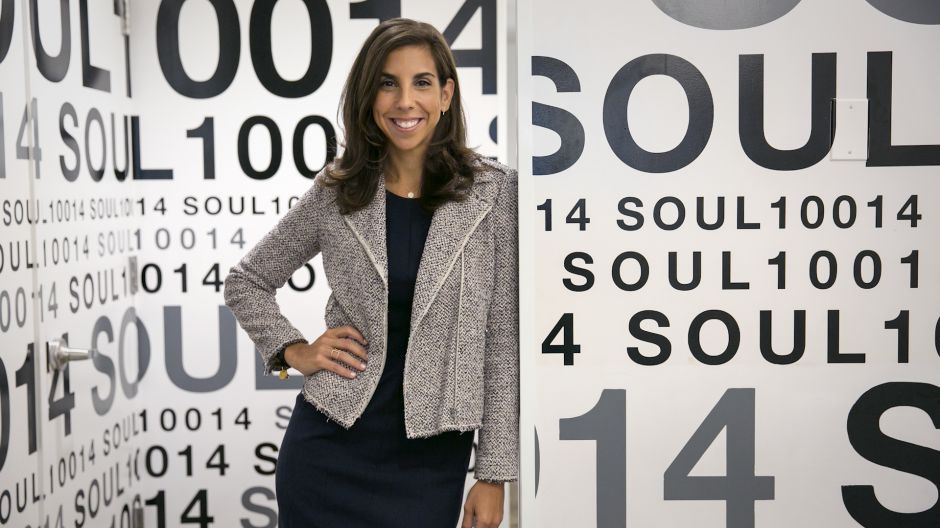
| Melanie Whelan (SoulCycle) | The Happiness Advantage (Shawn Achor) | Psychology | The effect of a positive mindset on performance and energy management |
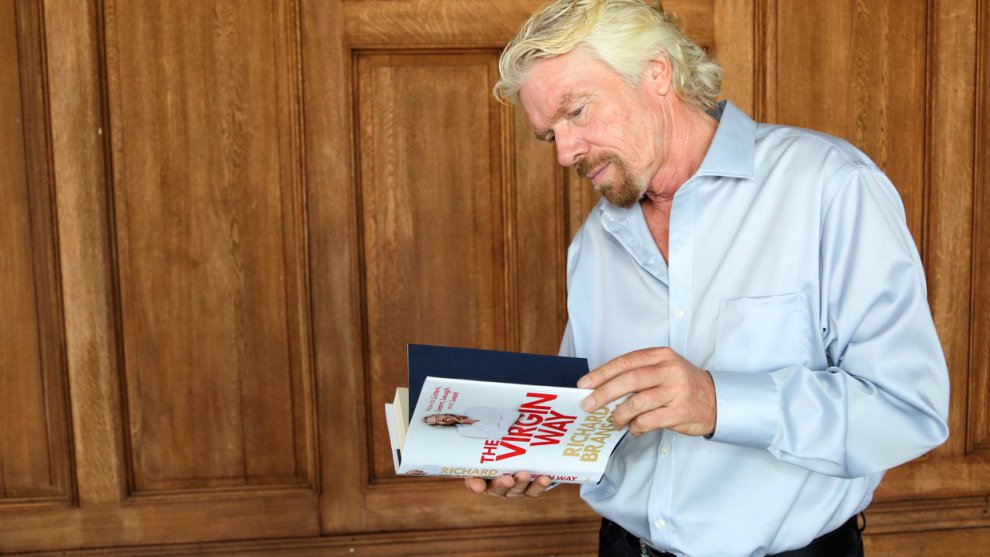
| Richard Branson (Virgin) | I Know Why the Caged Bird Sings (Maya Angelou) | Memoir | Resilience, empathy and understanding different lives |
The pattern is clear: most of the nine choices are novels, biographies and works about human nature. Technical business books are the minority. That shows even top-tier leaders invest most in the skills machines cannot imitate: empathy, judgment and framing.
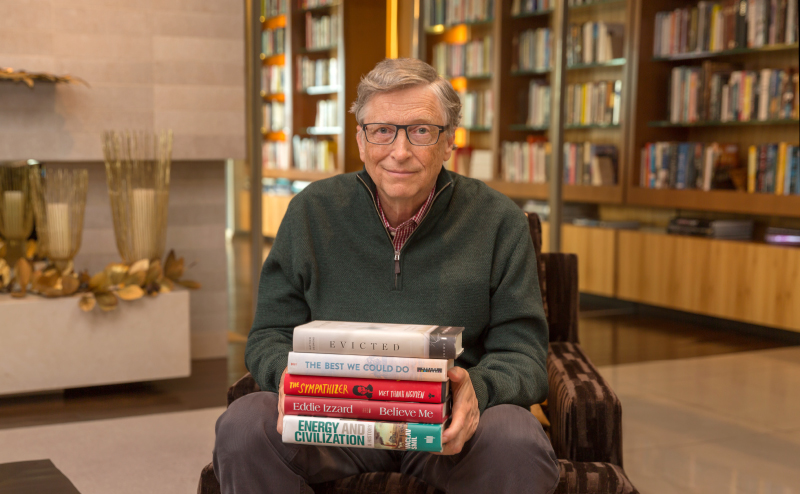
1) Bill Gates and “The Catcher in the Rye”
One of the favorite books of Bill Gates, Microsoft’s founder and for many years the world’s richest person, is J. D. Salinger’s “The Catcher in the Rye.” Gates has said over the years that he values the way the book captures how a young mind sees the world. Through the CEO-and-student lens: for a leader, empathy is a rarer muscle than technical intelligence.
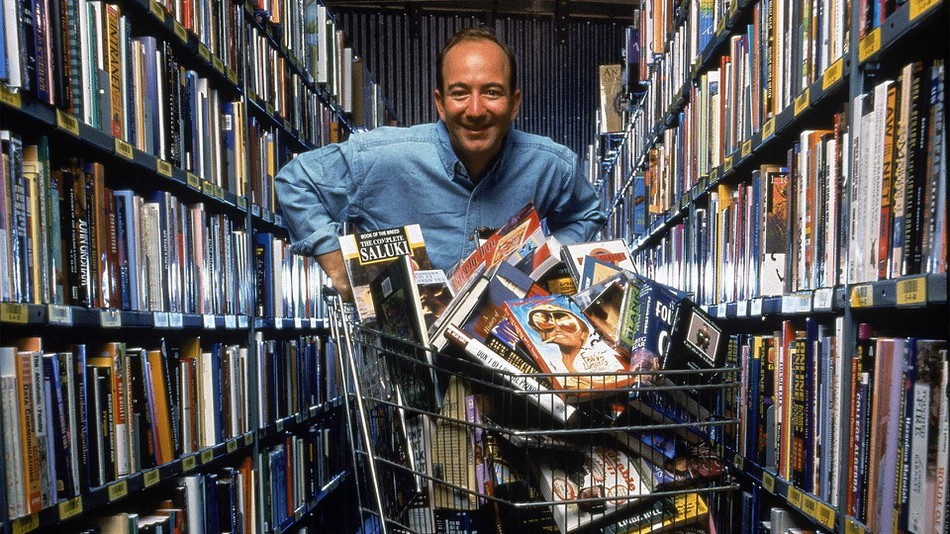
2) Jeff Bezos and “The Remains of the Day”
Amazon founder Jeff Bezos’s favorite novel is Kazuo Ishiguro’s “The Remains of the Day.” Bezos has said the book makes him reflect on regret and on what remains at the end of a life. Given his famous “regret minimization” decision framework, the choice is no surprise: seeing the cost of long-term choices early is one of a CEO’s most valuable reflexes.
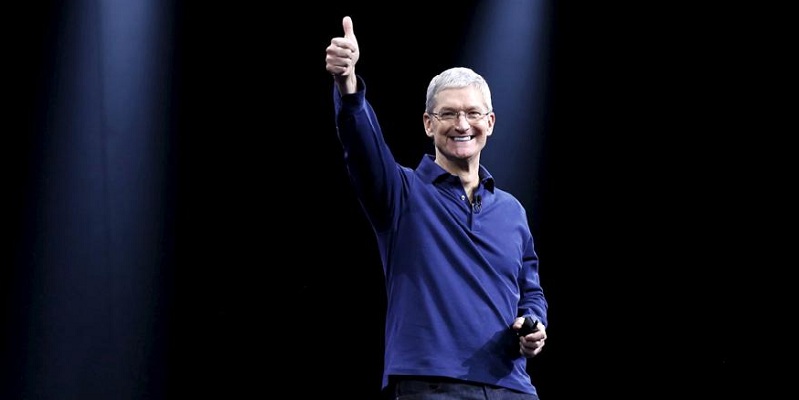
3) Tim Cook and “Competing Against Time”
One of Apple CEO Tim Cook’s favorites is George Stalk’s “Competing Against Time.” It is one of the more technical picks on the list: it explains how to manage time and speed as a competitive advantage. A natural choice for a leader who built Apple’s supply-chain mastery.
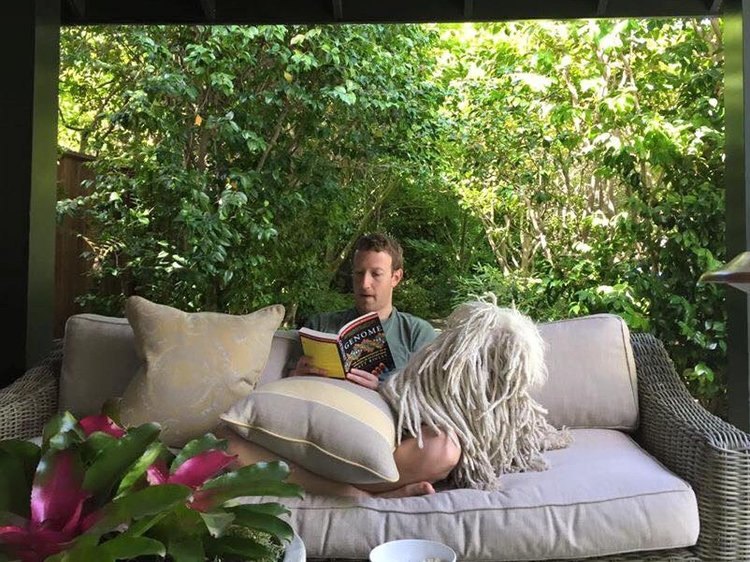
4) Mark Zuckerberg and “Portfolios of the Poor”
Among the works Meta (Facebook) CEO Mark Zuckerberg highlighted in his “Year of Books” reading project is “Portfolios of the Poor” by Daryl Collins and colleagues. Through field research it describes how low-income households actually manage money. This is the essence of learning like a student: understanding real user behavior through data, not assumptions.
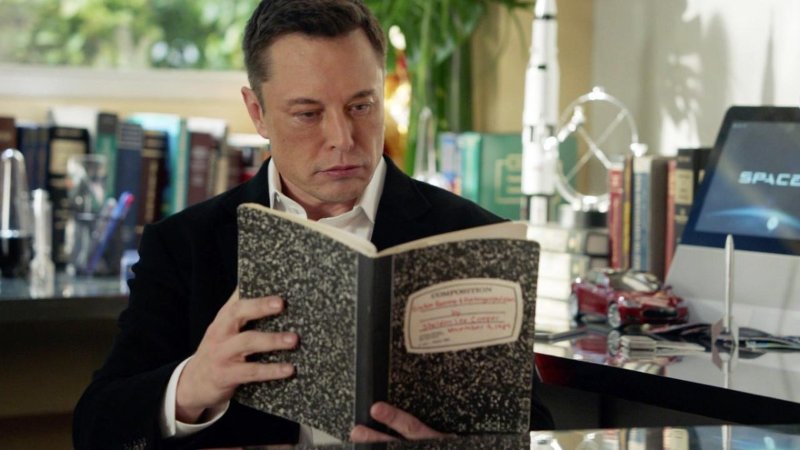
5) Elon Musk and “Benjamin Franklin: An American Life”
One of the books that influenced Tesla and SpaceX founder Elon Musk is Walter Isaacson’s “Benjamin Franklin: An American Life.” Musk points to Franklin as a model of someone who advanced with curiosity across multiple fields, both scientist and entrepreneur. Multidisciplinary curiosity is exactly one of the most valuable compounding capabilities of the AI era.
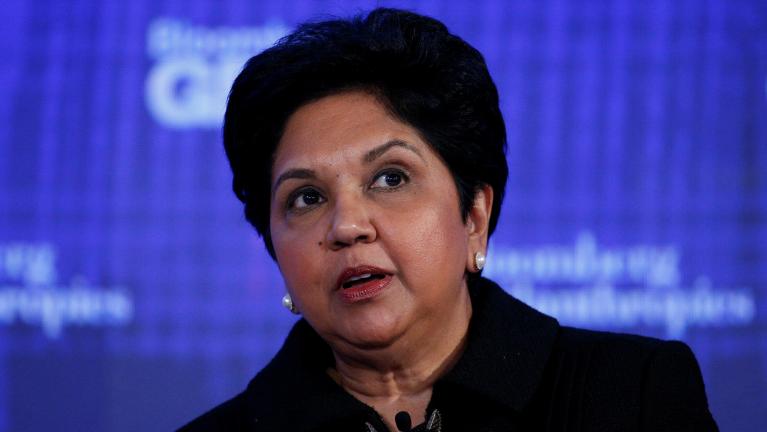
6) Indra Nooyi and “The Road to Character”
One of the favorite books of former PepsiCo CEO Indra Nooyi is David Brooks’s “The Road to Character.” The book explores the difference between career success (“resume virtues”) and depth of character (“eulogy virtues”). It argues why values-based, humble leadership wins in the long run.
7) James Gorman and “Tinker, Tailor, Soldier, Spy”
One of the favorite books of James Gorman, long-time CEO of Morgan Stanley, is John le Carre’s spy novel “Tinker, Tailor, Soldier, Spy.” It is a masterclass in reading uncertainty, trust and human motivation. For a finance leader, separating signal from noise is exactly what this novel is about.

8) Melanie Whelan and “The Happiness Advantage”
The favorite work of former SoulCycle CEO Melanie Whelan is Shawn Achor’s “The Happiness Advantage.” Drawing on research, it explains how a positive mindset boosts performance, creativity and resilience. Energy management is a muscle no leader can ignore in an age of burnout.
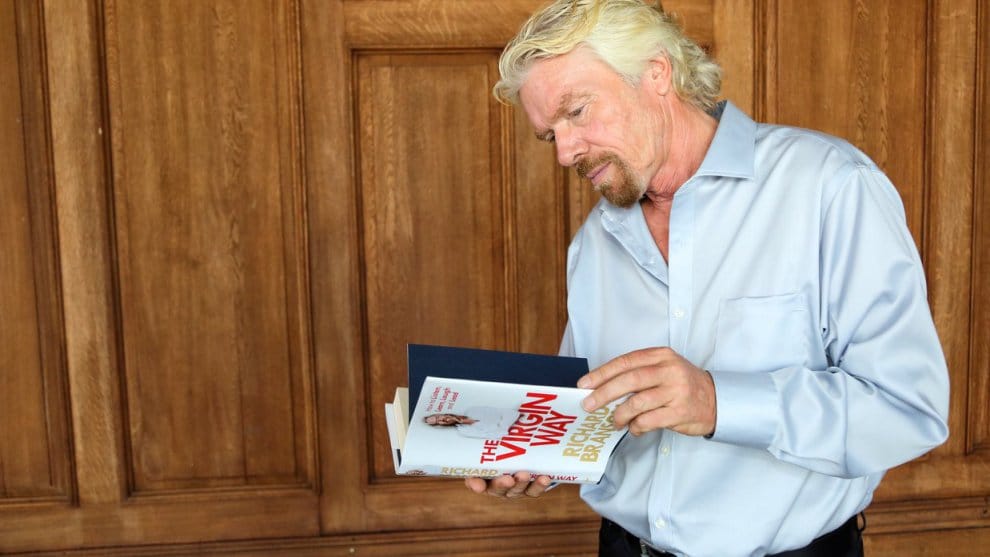
9) Richard Branson and “I Know Why the Caged Bird Sings”
Among the favorites of Virgin Group founder Richard Branson is Maya Angelou’s “I Know Why the Caged Bird Sings.” This memoir of a difficult childhood offers a powerful lesson in resilience and empathy. Branson’s courage to enter wildly different industries may well come from the worldview such narratives feed.
The 2026 view: it is the habit, not the book
The most misguided lesson to draw from this list would be “read these nine books.” The real lesson is the habit itself. According to the World Economic Forum’s Future of Jobs Report 2025, employers expect 39% of core skills to change by 2030 and rank “curiosity and lifelong learning” among the fastest-rising skills. As AI makes access to information nearly free, the difference is no longer access; it is your capacity to turn what you read into judgment, framing and decisions.
Think like a CEO and reading becomes an investment, not consumption: an asset with compounding returns that accumulates over the years and feeds your judgment. Act like a student and your list is never finished; you rebalance it every quarter. Those who combine these two reflexes, billionaire or not, hold the most durable advantage in the information age.
Frequently asked questions
Are these really these people’s favorite books?
The recommendations here are based on works these executives highlighted in public interviews, reading projects or widely reported statements. A person’s definition of a “favorite” can shift over time, so read the list as a map for inspiration rather than a definitive ranking.
Why mostly novels and biographies rather than business books?
Because the work of top leaders is largely judgment, empathy and reading people. Those skills are fed by human stories, not spreadsheets. Novels and biographies exercise the “human-centric” muscles that cannot be automated.
Do you have to read a lot of books to succeed?
What matters is not the number but deliberate choice and consistency. Truly digesting one book a month beats forgetting fifty a year. The point is converting what you read into decisions and behavior.
Where should I start?
Start from the muscle you feel is missing right now. Empathy, strategy or resilience? Match the “capability it feeds” column to your own need and begin with a single book. Like a student: start small, continue steadily.
Is reading still important in the age of AI?
Yes, even more so. AI summarizes and eases access to information, but it cannot copy the judgment, patience and framing that deep reading builds. Those are exactly the kind of skills the World Economic Forum flags as rising through 2030.
Sources
- World Economic Forum, Future of Jobs Report 2025 (39% of core skills expected to change by 2030; curiosity and lifelong learning among the rising skills).
- Walter Isaacson, Benjamin Franklin: An American Life (biography cited by Elon Musk).
- David Brooks, The Road to Character (the distinction between “resume virtues” and “eulogy virtues”).
- Book recommendations reported in the public interviews and reading projects of the executives named above.
This content was compiled with the support of AI following in-depth research, then written and prepared for publication by the CEOtudent editorial team.
This post is also available in:













)
&description=&image=https://ceotudent.com/wp-content/uploads/2021/07/f4zl4o.jpg)