
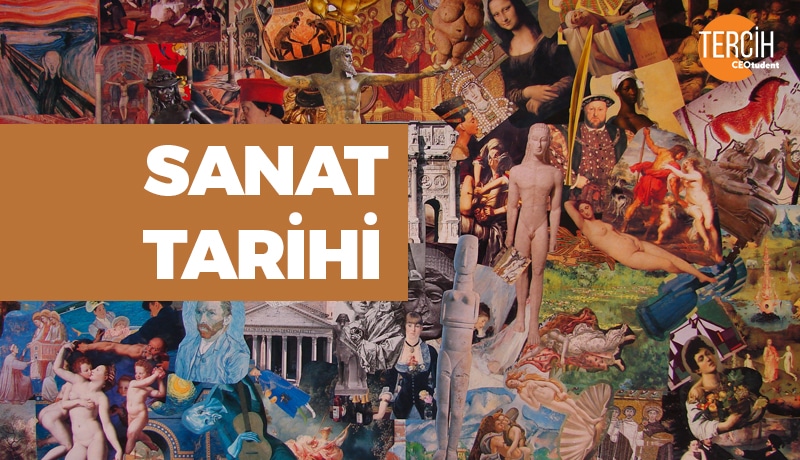
TL;DR: Art history is an interdisciplinary field that reads and interprets works, periods, and cultural context. In the AI era, the honest answer to “is studying art history risky?” is this: the diploma alone is not a career guarantee, but the core skill this field builds, visual literacy, context-building, and interpretation, is among the human abilities hardest to automate. The graduate who wins does not treat the degree as an “art historian” label but as the start of a roadmap that runs from museum curatorship to digitizing cultural heritage, from art advisory to writing and criticism. Admission requirements vary by country and institution and change each year, so we do not quote a cutoff here; for current figures the only reliable source is your national or institutional admissions authority. Below is an editorial table that maps the real paths graduates take by their resilience to AI.
What art history is
As an academic field, art history examines the works humans create, painting, sculpture, architecture, and crafts, along with their periods and movements, and relates them to their social, religious, and intellectual contexts. So it is concerned not only with “which work was made when” but with “why it was made this way and what it says.” That requires an interdisciplinary lens: history, philosophy, mythology, iconography, and aesthetics work together.
Who thrives in this field? First, people drawn to art, with strong visual memory and developed powers of expression. But the real distinguishing quality is curiosity: someone who enjoys looking at a work and asking “what does this say and why does it matter?” will both succeed in the program and make a difference after graduation.
What art history graduates do
The classic paths are well known: working as a specialist or curator in museums and galleries, passing the field on as an academic or teacher, and working in auction houses and the art market. But the reality of 2026 is that this list has widened. Digitizing cultural heritage, art advisory, collection management, art writing and criticism, and even content and communication roles in the arts are new areas where an art history background gains value.
The courses taught in the program build the foundation that feeds these paths: subjects like European history, Renaissance painting and sculpture, the development of pre-Islamic and regional art traditions, mythology, and iconography give both deep contextual knowledge and the skill of “reading” works. That pairing is portable capital, whichever path you choose.
Art History Career Roadmap (AI-resilience scorecard)
The table below is a CEOtudent editorial framework: a decision aid that maps the main paths for art history graduates by their resilience in the AI era and their entry difficulty, not an employment dataset. “AI resilience” is an editorial judgment of how much the core of the work depends on human judgment and physical or institutional context.
| Path | AI resilience (editorial) | Entry difficulty | What changes in the AI era |
|---|---|---|---|
| Museum/gallery curatorship | High | High | Exhibition concept and interpretation stay human; digital archive tools speed the work |
| Academia / research | High | Very high | Original thesis and interpretation stay valuable; AI assists source review |
| Digitizing cultural heritage | Medium-to-high | Medium | A growing field; art knowledge plus digital literacy is sought |
| Art advisory / collection management | High | Medium-to-high | Trust and taste are human; valuation data is AI-supported |
| Teaching | Medium-to-high | Medium | Transmission and mentoring stay human; material creation speeds up |
| Auction / art market | Medium | Medium-to-high | Relationships and reading the market are human; cataloguing partly automates |
| Art writing and criticism | Medium | Low-to-medium | An original viewpoint is valuable; since generic content is cheap with AI, standing out is essential |
The table’s lesson is this: art history’s most resilient paths are the roles where the core of the work rests on human judgment, taste, and trust. AI speeds up the mechanical parts, source review, cataloguing, material creation, but answering “why does this work matter?” is still the work of a trained human. The World Economic Forum’s Future of Jobs 2025 report points in the same direction: human skills like analytical thinking, creativity, and judgment continue to gain value.
The field’s challenges and an honest frame
The most cited challenge of the field is that it is undervalued in public perception. That is a real feeling but a misleading yardstick. Career security comes not from a field’s “popularity” but from the portable skills a graduate builds and the strategic choices they make.
Thinking like a CEO helps here: see the diploma not as a destination but as starting capital. Continuing to learn like a student matters just as much: as you add complementary skills, digital archive tools, languages, data literacy, and communication, an art history background stops being “risky” and turns into a rare, defensible profile. The skills hardest to automate, and why they matter, are examined in depth in the judgment economy, where human judgment gains value in the AI era.
About admissions and cutoffs
Admission cutoffs and rankings change each year with quotas, applicant demand, and exam difficulty, and they vary by country and institution. So quoting a fixed number here would mislead. For current, accurate figures, the only reliable source is your national or institutional admissions authority; during the application period, checking the last two or three years of your target programs’ ranges from official data is far healthier than trusting a single year’s number.
FAQ
Does studying art history make sense in the AI era?
The diploma alone is not a guarantee, but the core skill this field builds, visual literacy, context-building, and interpretation, is among the human abilities hardest to automate. What makes sense is to combine the field with complementary skills (digital archives, languages, communication) and build a defensible profile.
What do art history graduates do?
Museum and gallery specialism/curatorship, academia, teaching, and the auction and art markets are the classic paths. In 2026, growing areas like digitizing cultural heritage, art advisory, collection management, and art writing are added.
Which career path is most AI-resilient?
Roles where the core rests on human judgment, taste, and trust: curatorship, academia, and art advisory. AI speeds up the mechanical parts of these jobs (review, cataloguing), but interpretation and decision stay human.
What is the admission cutoff?
Because it changes each year and varies by country and institution, quoting a fixed number is not right. For current figures and rankings, consult your official admissions authority, and weigh a range over several years rather than a single year.
Who succeeds in this field?
People curious about art and history, with strong visual memory, able to interpret what they read and see. The real difference shows in the curious student who enjoys looking at a work and asking “why does it matter?”
Sources
- World Economic Forum. Future of Jobs Report 2025. On human skills like analytical thinking, creativity, and judgment continuing to gain value.
- National and institutional admissions authorities. The current, official sources for program quotas, cutoffs, and rankings, which vary by country and change each year.
- UNESCO cultural heritage work. On the protection and digitization of cultural heritage becoming a growing area of expertise.
This content was compiled with the support of AI following in-depth research, then written and prepared for publication by the CEOtudent editorial team.
This post is also available in:

















)
&description=&image=https://ceotudent.com/wp-content/uploads/2021/07/has69k.jpg)