TL;DR: A gastronomy and culinary arts degree is not just a program that teaches you to cook; it teaches you to run a kitchen, a menu, and a team the way you would run a small business. Graduates work across a wide range: chef, kitchen manager, food and beverage lead, menu developer, food stylist, product developer, and entrepreneur. In an era where AI is reshaping recipes, inventory, and even menu pricing, the graduate who thrives is the one who pairs technical skill with business sense. This guide explains what the field is, the typical career paths, and which skills compound in value, laid out in an original career-map table. Run your kitchen like a CEO, but keep learning new techniques and tools like a student who never graduates.
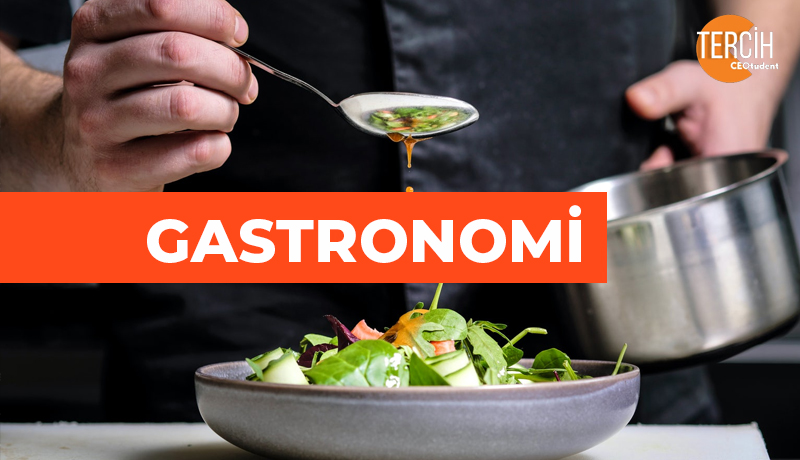
Gastronomy is a far broader field than most people assume. It includes the technical craft of cooking, yes, but also food science, culture, hygiene, costing, menu engineering, and business management. While a gastronomy student learns to cook in the kitchen, they are really learning to design a product, manage a cost, and stage an experience. That is why the degree is as much a business school as an art school.
This dual nature explains why graduates fan out into such different paths. Some go straight into the kitchen and climb toward the head-chef role; some manage operations in hotel and restaurant chains; some develop products at food manufacturers; and some launch their own venture. The common thread is that all of them treat a kitchen or a food product with the logic of a business.
Career map for a gastronomy graduate
| Role | What they do | Standout skill | Outlook in the AI era |
|---|---|---|---|
| Chef / head cook | Runs the kitchen and menu, leads the team | Technical mastery plus leadership | Strong; creativity and experience do not automate |
| Kitchen / F&B manager | Manages cost, inventory, and operations | Business and data literacy | Rising; AI tools strengthen this role |
| Menu developer | Designs new products and menus | Palate, trend reading, costing | Strong; human taste stays central |
| Food stylist / content creator | Turns food into visual and digital story | Aesthetics plus digital skill | Growing; demand for content is climbing |
| Food R&D specialist | Develops products and processes at manufacturers | Food science and experimental rigor | Stable; a science base holds up |
| Entrepreneur / owner | Builds their own cafe, restaurant, or brand | End-to-end business management | Risky but the highest ceiling |
Table: CEOtudent editorial framework. Columns are calibrated judgments about typical career paths, not guaranteed outcomes.
The table makes one thing clear: technical skill is a starting point, but what grows a career is the business and digital literacy layered on top of it. A graduate who only cooks well is an employee; a graduate who cooks well and can manage cost, team, and experience is a manager. The gap between them is exactly the habit of thinking like a CEO while training like a student.
How AI is changing the kitchen
The World Economic Forum’s labor reports describe a consistent pattern: technology automates routine tasks while strengthening roles built on human creativity and management. Gastronomy is a good example of that shift. Inventory tracking, demand forecasting, menu pricing, and even some standard recipe optimization are increasingly done in software. But how a plate makes someone feel, how a menu tells a story, and how a team stays motivated remain human work.
The lesson here is one a student should absorb: do not abandon the technical craft, but add layers on top of it that do not automate. Cost analysis, reading data, digital content, and leadership are the skills that will keep a gastronomy degree relevant over the next decade. AI takes the routine; your job is to own the creative and managerial value that is left.
What to consider when choosing the field
Gastronomy starts with passion, but passion alone is not enough. This degree prepares you for a physically demanding, fast-paced, competitive sector. Evaluate it like a CEO: weigh not only what you love but what kind of life and return each role offers. Long hours in the kitchen, the discipline of R&D in product work, or the risk of your own venture?
Approach it like a student too: do internships, gather experience across different kitchens, and learn the business and digital skills early. A gastronomy degree opens a door, but the career behind it is shaped by the skills you add on top of the diploma. The best graduates are the ones who can read both the pan and the spreadsheet.
Frequently asked questions
Do gastronomy graduates only become chefs?
No. Being a chef is only one of the paths. Graduates work in kitchen and F&B management, menu development, food R&D, food content and styling, and running their own ventures.
Does AI threaten a gastronomy career?
It automates routine tasks but strengthens human layers such as creativity, experience design, and management. The roles at risk are those built only on repetitive work; graduates who combine technical skill with business and digital literacy gain an advantage.
Which skills are most valuable for the field?
Technical kitchen skill is the base, but adding cost analysis, data reading, leadership, and digital content skills raises the career ceiling noticeably.
Sources
- World Economic Forum. Future of Jobs Report, technology and employment trends.
- OECD. Skills for a Digital World, skill-transformation studies.
- UNESCO. Reports on technical and vocational education and training.
- International Labour Organization. Employment data for the accommodation and food-service sector.
This content was compiled with the support of AI following in-depth research, then written and prepared for publication by the CEOtudent editorial team.
This post is also available in: